- dev.unit@gov.kn
- Mon - Fri: 8.00 am - 4.00 pm
WE LIVE TECHNOLOGY!
WE LIVE TECHNOLOGY!
Understanding Internet Security and Why It Matters
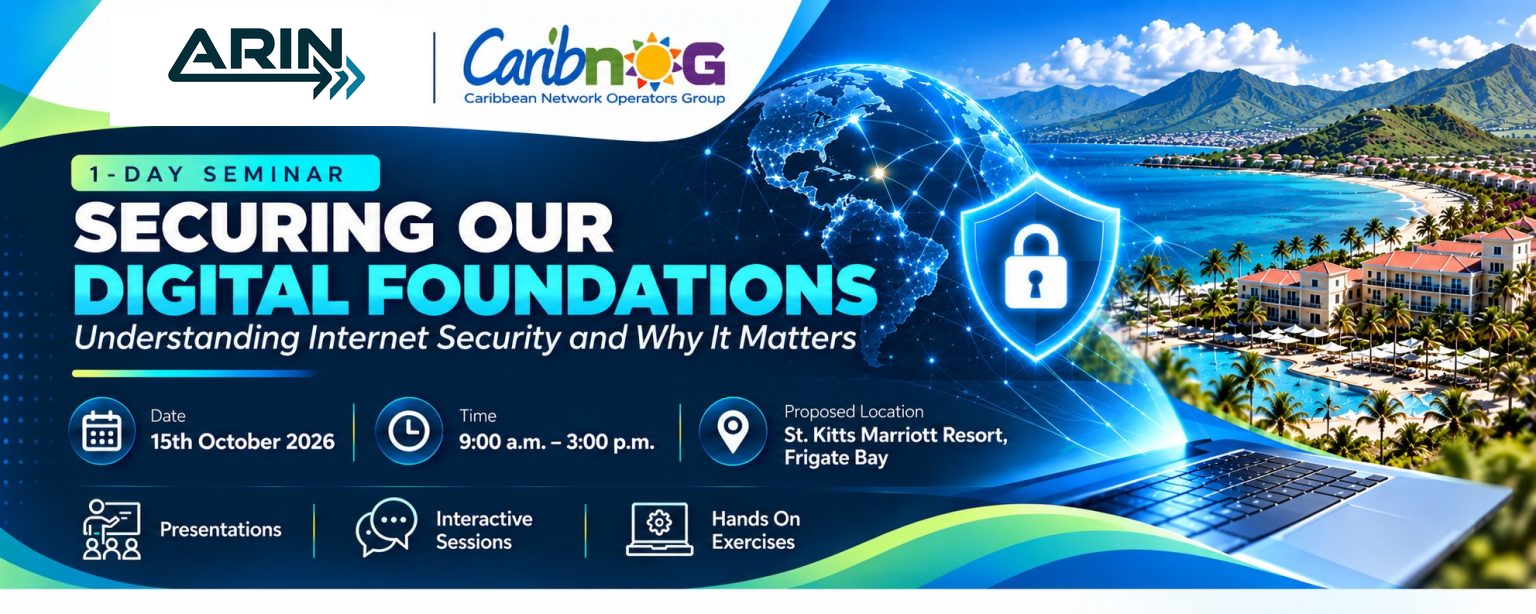
15 October 2026
9:00 a.m. – 3:00 p.m.
St. Kitts Marriott Resort, Frigate Bay
In person · 1 day
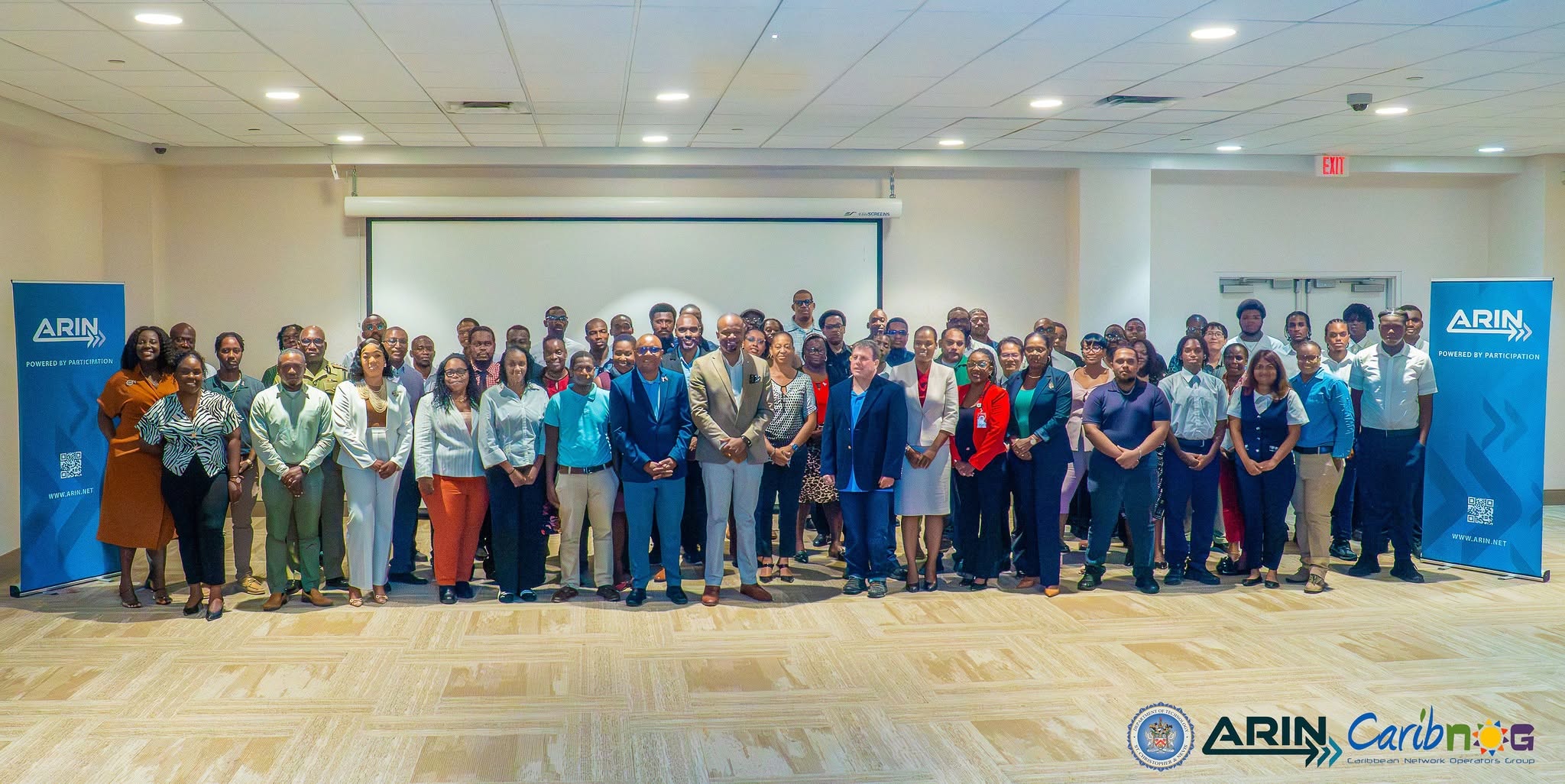
The Department of Technology was pleased to welcome ARIN and the Caribbean Network Operators Group (CaribNOG) to St. Kitts and Nevis for a one-day seminar on Internet security, held on 15 October 2026 at the St. Kitts Marriott Resort.
The programme moved participants from understanding how Internet trust works, through the risks that can undermine it, to the practices and cooperation that strengthen security and resilience. Technical concepts were introduced through practical examples, demonstrations and discussion rather than specialist instruction.
The seminar set the stage for the national Cybersecurity Week activities that followed. Thank you to everyone who took part.
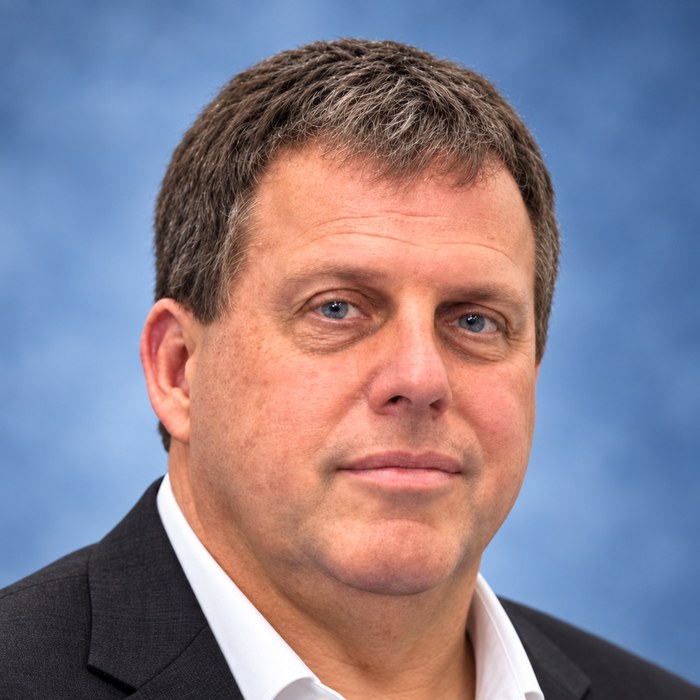
Mark Kosters is Chief Technology Officer of the American Registry for Internet Numbers (ARIN), where he leads engineering, software development and technical operations. He brings more than three decades of experience in Internet infrastructure, network security and the systems supporting Internet number resource management. His career includes senior engineering and research roles at InterNIC and VeriSign, with contributions to core Internet services and standards. Mark has co-authored Internet Engineering Task Force publications addressing directory services, IP addressing and DNSSEC. He brings practical insight into the operational responsibilities and safeguards that sustain dependable Internet services.
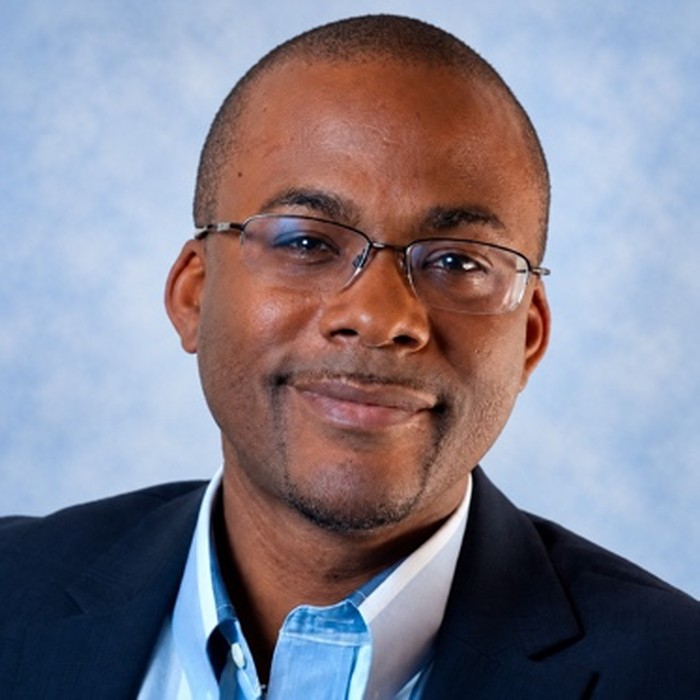
Bevil Wooding is Director of Caribbean Affairs at the American Registry for Internet Numbers (ARIN) and co-founder and Executive Director of the Caribbean Network Operators Group (CaribNOG). He works with governments, regulators, businesses and technical communities to strengthen Internet infrastructure and support digital development across the region. His work spans Internet governance, cybersecurity, local interconnection, capacity building and institutional modernization. He advises governments and regional institutions, including the OECS Commission, CARICOM Secretariat, CTU and CCJ and serves as a Trusted Community Representative for the Internet Corporation for Assigned Names and Numbers (ICANN).
Clear, accessible talks from regional Internet experts on how the Internet works and where it is vulnerable.
Scenario-based group work where mixed participant teams work out what went wrong, who is affected and what to do.
Practical demonstrations and a working checklist to translate the day's lessons into action.
The programme for the day. Times are local (AST).
Government welcome and seminar framing — positioning the session within national digital priorities and its link to the Cybersecurity Week that follows.
An accessible introduction to how networks connect and how Internet traffic reaches its destination — IP addresses, Internet number resources, autonomous networks and routing, at just the level needed for the security discussions that follow.
What happens when routing information is wrong, misconfigured or maliciously manipulated. Route leaks, hijacks and RPKI explained through practical examples and visual demonstration.
The role of DNS in familiar Internet experiences, the risks created when naming information cannot be trusted, and how DNSSEC strengthens confidence in the system.
An interactive scenario session bringing routing and DNS together. Mixed groups consider what happened, who is affected, why it matters and what could prevent or mitigate the problem.
Connecting Internet-wide mechanisms to the national environment — local interconnection, dependencies, visibility, redundancy and network autonomy, with SKNIX as a practical local reference point.
Why Internet security depends on cooperation, trusted relationships, information sharing, common practices and participation in technical communities across organisational and national boundaries.
An interactive translation of the day’s lessons into recommended security and resilience practices, using a practical checklist: why each practice matters, who should be involved and what next steps to take.
Key lessons, brief participant reflections — including student perspectives — and the handover into Cybersecurity Week.
Frigate Bay, St. Kitts. The seminar took place on 15 October 2026.
Registration is now closed. Photos from the day are available on the Ministry of ICT and Post Facebook page.
American Registry for Internet Numbers
Caribbean Network Operators Group
Host · Government of St. Kitts and Nevis